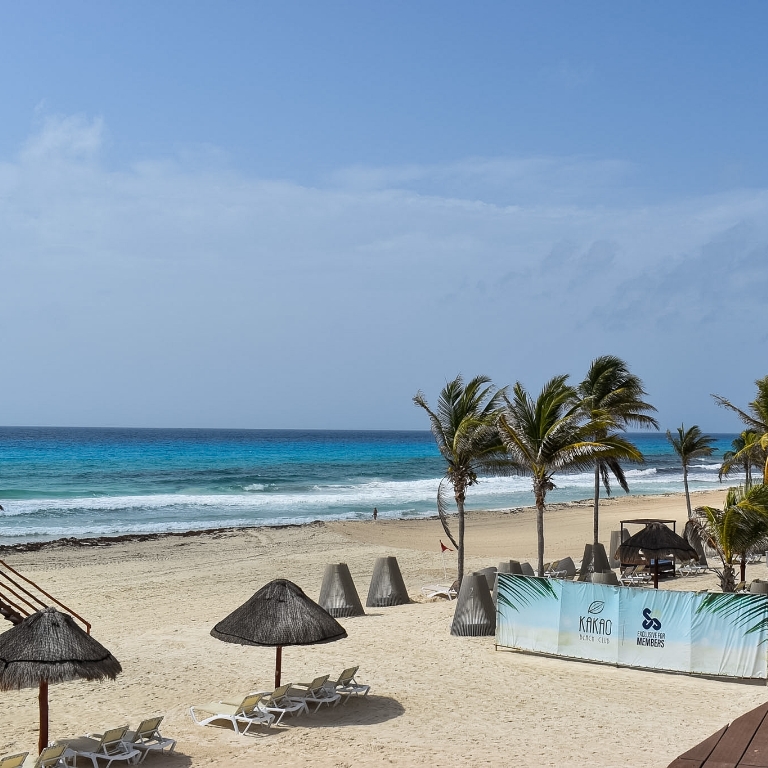
For centuries, the sea has been an integral part of the identity and lives of communities along the Quintana Roo coast. For the Maya, the Caribbean was not merely a source of food and raw materials but also a vital route for communication, trade, and pilgrimage. Today, this relationship with the sea takes on new meaning in the face of challenges such as sargassum, plastic waste, and the need to conserve coastal ecosystems.
A legacy forged by the sea
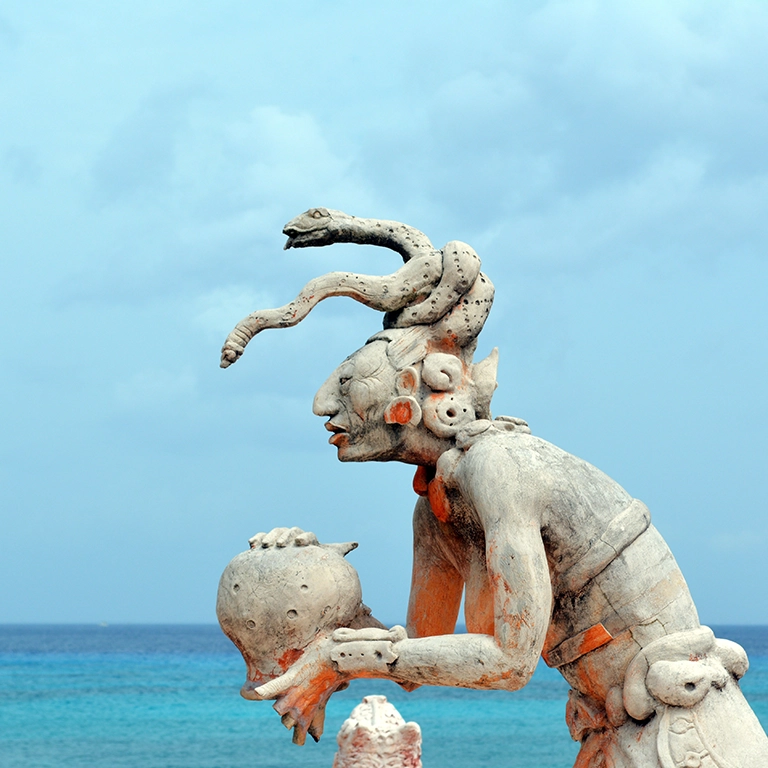
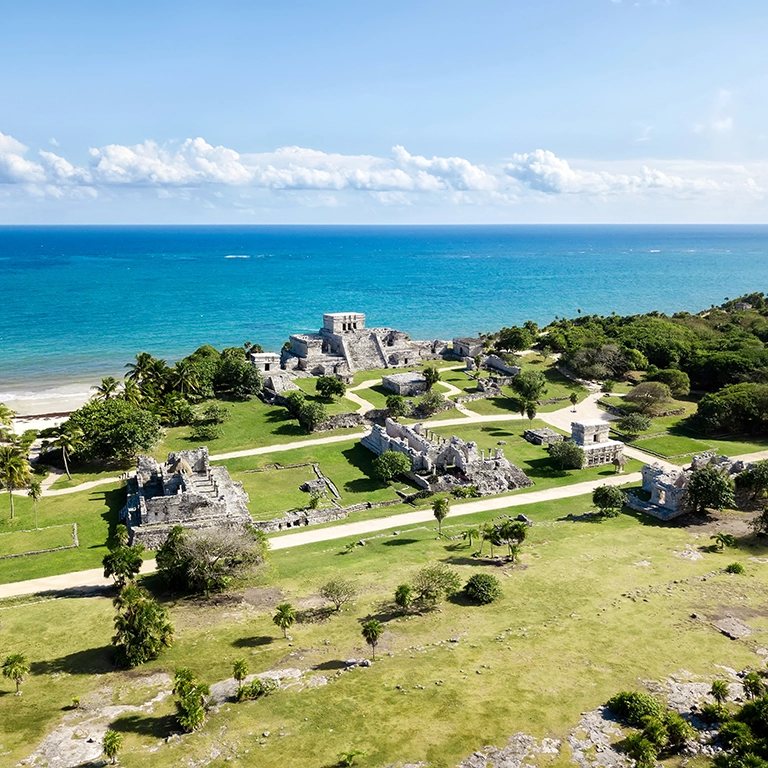
The bond between Mayan culture and the sea was profound. The region’s ancient inhabitants developed extensive knowledge of currents, tides, weather patterns, and navigation, enabling them to traverse the coastline in canoes and establish trade routes. Sites such as Xel-Há, Xcaret, El Meco, Isla Mujeres, and El Rey were closely linked to maritime activities, fishing, and commerce.
The INAH (National Institute of Anthropology and History) notes that Mayan navigation connected various points of the Yucatán Peninsula with Central America, facilitating the exchange of goods such as fish, salt, shells, and conchs. Fishing and marine resources were essential to the inhabitants’ subsistence.
This history serves as a reminder that caring for the sea is not a new concept for the region’s communities; rather, it is part of a relationship with the environment that has been cultivated over generations.
The challenge of the contemporary Caribbean
The Mexican Caribbean landscape currently faces a large-scale environmental issue. The massive influx of sargassum has become a key indicator of global climate change and a major challenge for Quintana Roo, requiring coordinated efforts in monitoring, containment, collection, and utilization.
Strategies to address this phenomenon have been strengthened throughout 2026. Measures include monitoring, the innovative creation of containment barriers, and collection efforts both at sea and on the beaches. Furthermore, the utilization of sargassum is being promoted through circular economy projects that seek to transform it into products such as biofertilizers, biofuels, and construction materials.
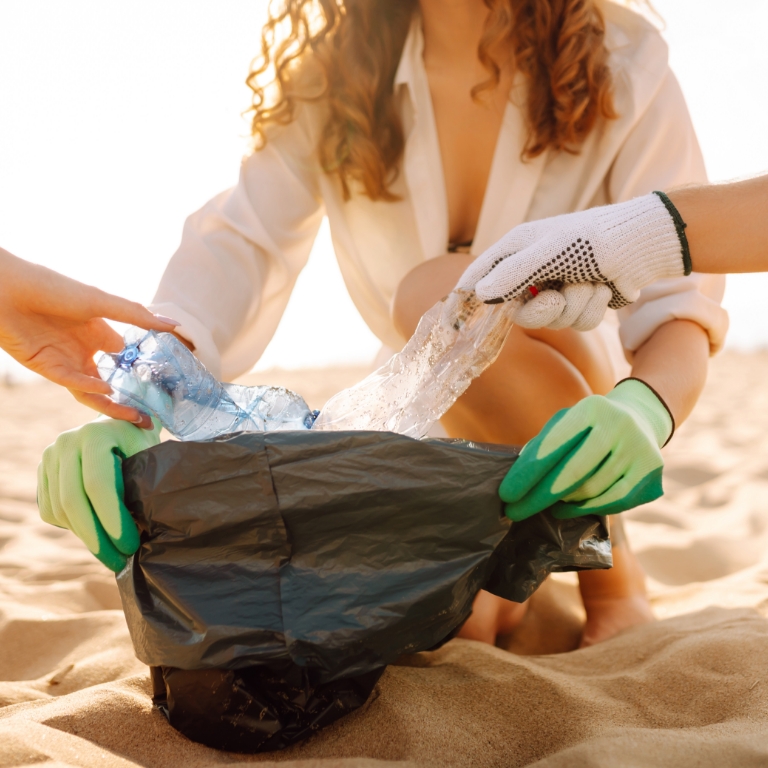
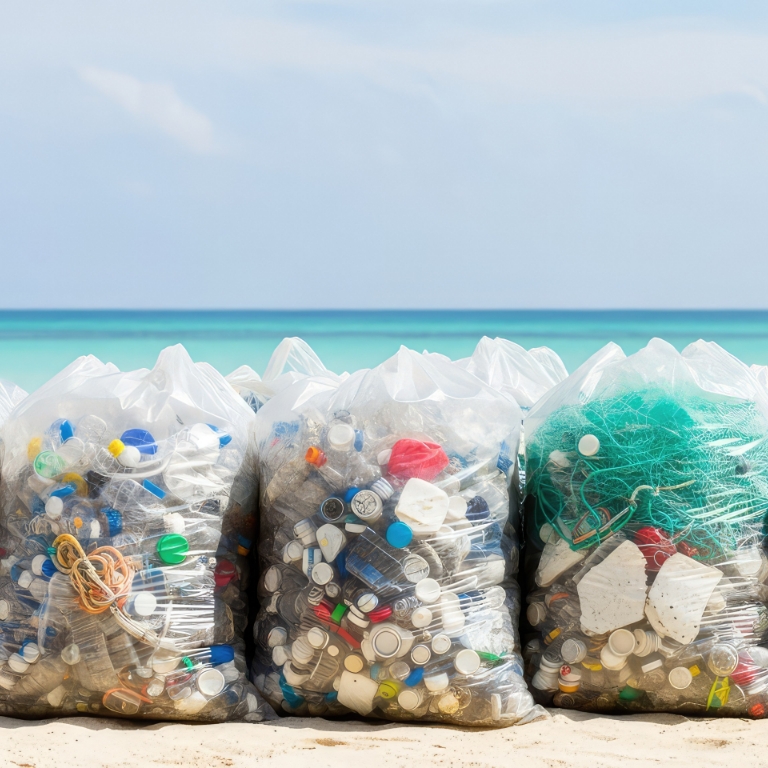
Compounding this situation is the challenge of reducing the waste that reaches the coastline. Plastics, packaging, and other waste can harm marine wildlife and degrade one of the region’s most important natural assets.
Community-led solutions
Protecting the Caribbean requires the collaborative effort of authorities, businesses, local communities, fishers, environmental organizations, and visitors. Beach cleanup events are a prime example of how citizen participation can translate into concrete action. In Playa del Carmen, for instance, a cleanup event held in June 2026 brought together over 2,000 people and resulted in the removal of approximately 70 tons of sargassum in a single day.
Models are also emerging that seek to utilize sargassum rather than viewing it merely as waste. Collaboration among the government, the private sector, academia, and coastal communities aims to develop new alternatives for managing and repurposing this seaweed.
At the same time, responsible fishing practices and the expertise of those who make their living from the sea are crucial for marine resource conservation. By understanding the cycles, species, and conditions of their environment, sustainable fishers play an essential role in a conservation vision that balances economic activity with environmental protection.
Travel can also be part of the solution
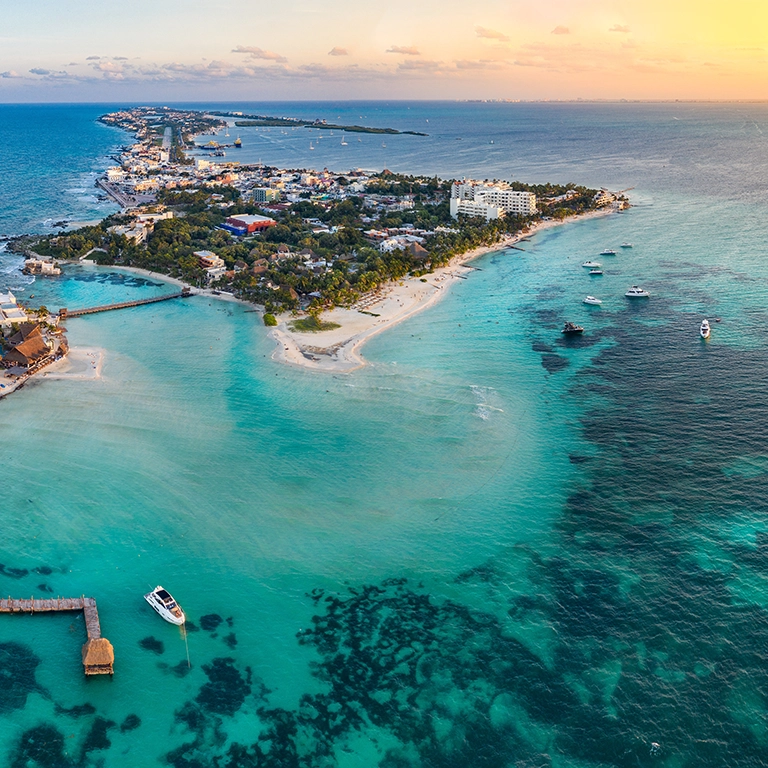
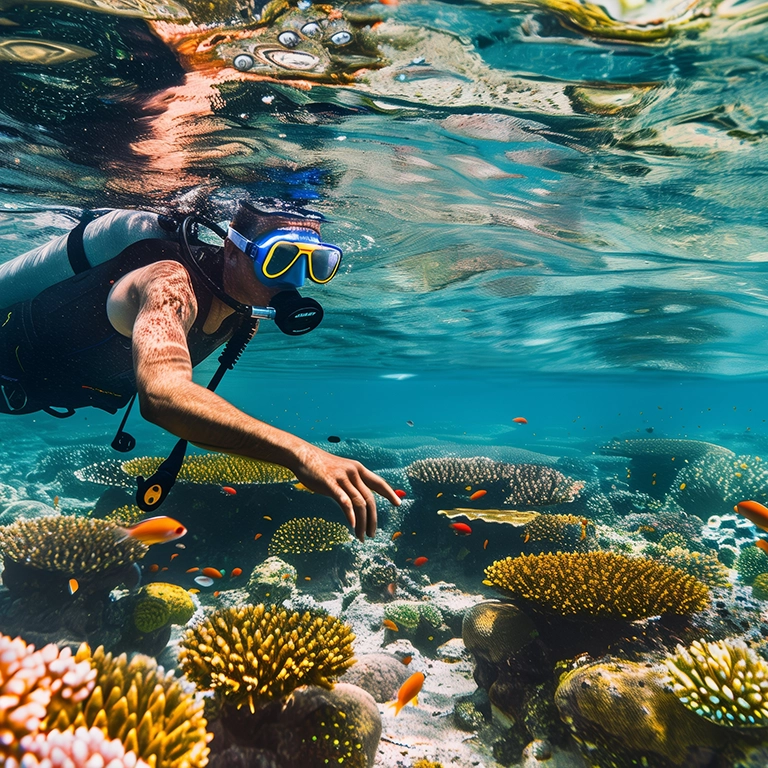
For visitors to the Mexican Caribbean, caring for the sea can begin with simple choices: avoiding single-use plastics, using waste bins correctly, not leaving trash on beaches or reefs, respecting marine wildlife, and choosing tour operators committed to responsible practices.
Participating in beach cleanups, consuming products from responsible fisheries, and following conservation guidelines during water activities are small actions that, when combined, can make a significant impact.
September 29—World Seas Day—offers an opportunity to remember the importance of protecting these ecosystems and to reflect on our relationship with them.
Maya history demonstrates that the sea has served as a source of food, trade, knowledge, and culture for centuries. Preserving it today means honoring that heritage and accepting the responsibility of maintaining a healthy Caribbean for local communities, marine life, and future generations.