Hurricane season in Quintana Roo is a reality that tests the response capacity of coastal communities every year. However, preparedness, prevention, and collaborative efforts have shown that it is possible to reduce risks and recover more quickly.
In the Mexican Caribbean, living near the sea means enjoying a privileged natural environment, but also living with hydrometeorological phenomena that can affect homes, infrastructure, economic activities, and ecosystems. Faced with this scenario, resilience has become a key element for protecting lives and strengthening communities.
What does it mean to be a resilient community?
Resilience is the ability to anticipate, adapt to, respond to, and recover from an adverse situation. In the case of hurricanes, it means that a community is not only able to withstand the impact of a hurricane, but also to rebuild itself wisely. This capacity depends not only on infrastructure or economic resources, but also on social organization, education, a culture of prevention, and active citizen participation.
When people are aware of the risks in their environment and know how to act, the likelihood of suffering serious harm and taking action after the event has passed decreases considerably.
Hurricane Season in Quintana Roo: A Shared Responsibility
Every year, between June and November, the Mexican Caribbean enters the official Atlantic hurricane season. During these months, ocean conditions favor the formation of tropical storms and hurricanes that can develop rapidly.
Although technology has significantly improved forecasting capabilities, no alert system replaces public preparedness. Waiting until a hurricane is about to make landfall is often too late to take many preventative measures. Therefore, authorities, businesses, families, and communities must embrace prevention as an ongoing responsibility.
The Value of Scientific Knowledge
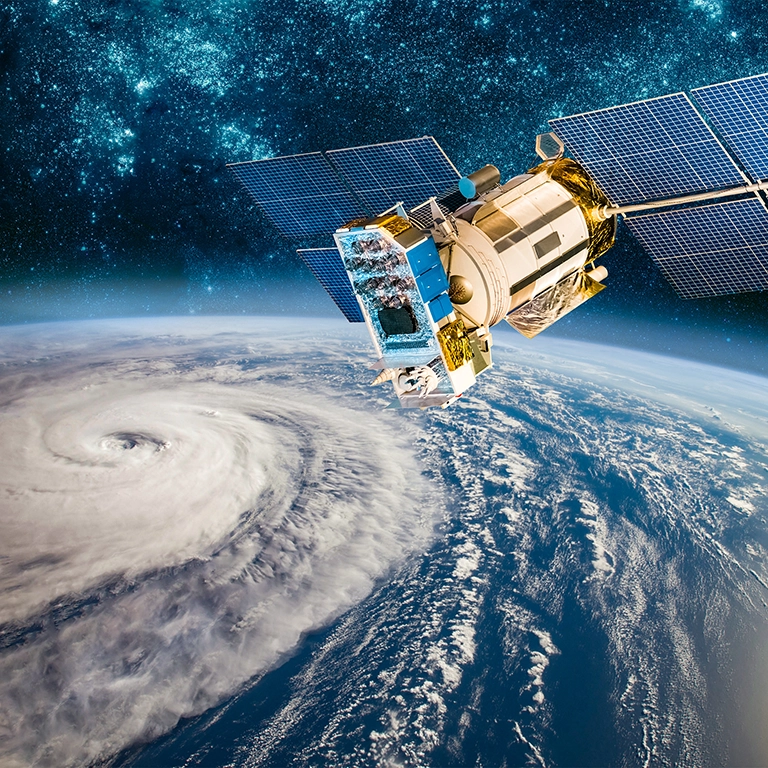
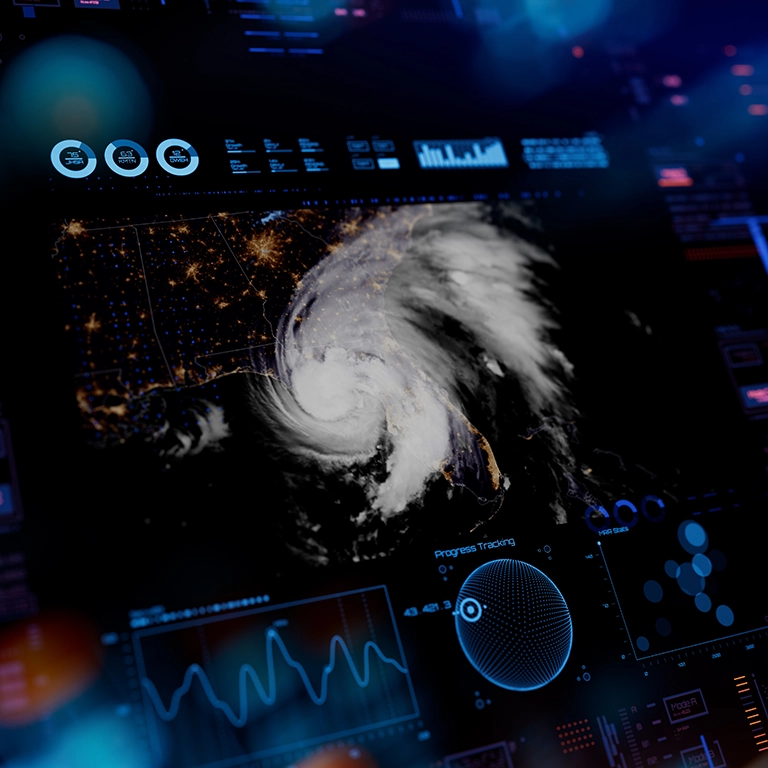
Currently, meteorologists, oceanographers, and specialized institutions use satellites, radar, ocean buoys, and computer models to monitor the formation and evolution of tropical cyclones.
Thanks to these tools, it is possible to:
- Detect tropical systems in their early stages.
- Forecast possible trajectories.
- Estimate wind intensity.
- Identify risks of heavy rainfall and flooding.
- Issue alerts well in advance.
This information allows for the activation of civil protection protocols, the coordination of evacuations, and the preparation of emergency services. However, technology works best when the population understands the meaning of the alerts and acts promptly.

Traditional Knowledge Also Saves Lives
Before the existence of satellites and weather models, coastal communities developed ways to interpret nature’s signs. Changes in wind direction, variations in sea behavior, unusual movements of birds and other animals, as well as certain atmospheric conditions, were part of a body of knowledge passed down from generation to generation.
Although these observations do not replace scientific information, they represent valuable local experience that strengthens a culture of prevention. The integration of science and traditional knowledge allows for a better understanding of the territory and a more effective response to natural hazards.
Nature Also Protects
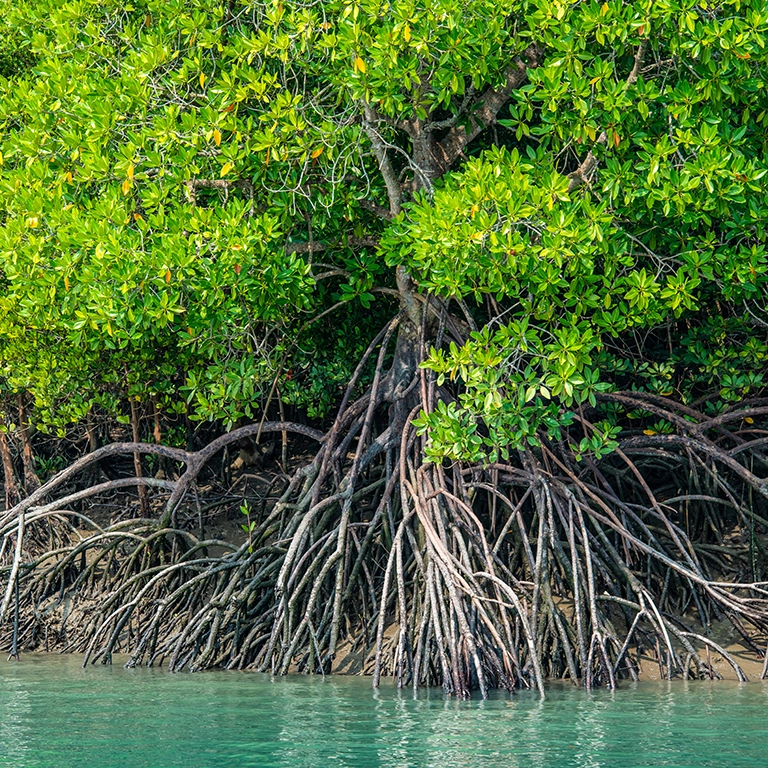
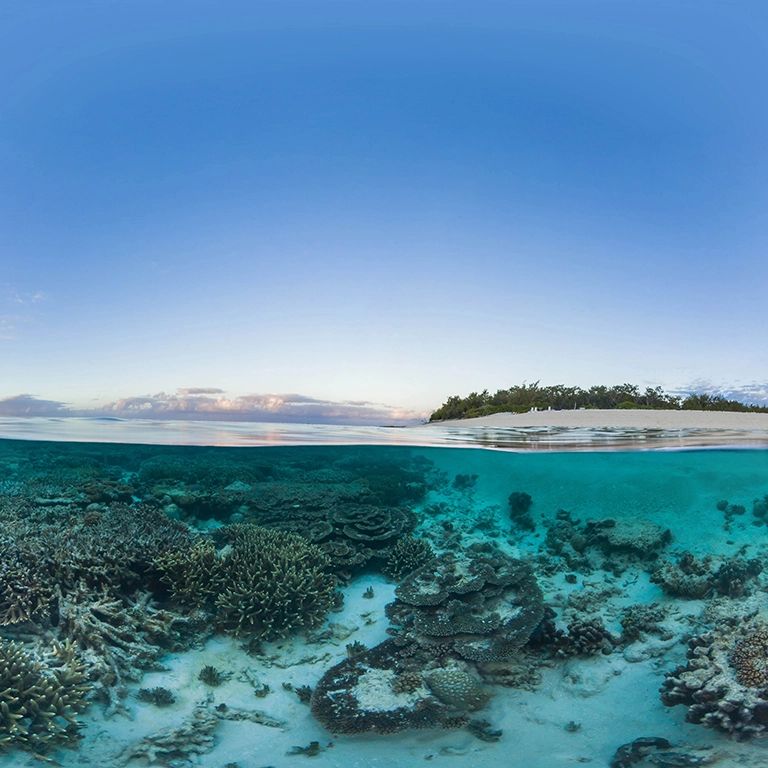
Coastal ecosystems play an essential role in reducing the impact of hurricanes. Mangroves help to lessen the force of waves, coral reefs absorb some of the wave energy, and coastal dunes act as natural barriers against storm surges.
Conserving these ecosystems not only benefits biodiversity but also constitutes an effective strategy for reducing risks and protecting coastal populations. Environmental resilience and community resilience are closely linked.