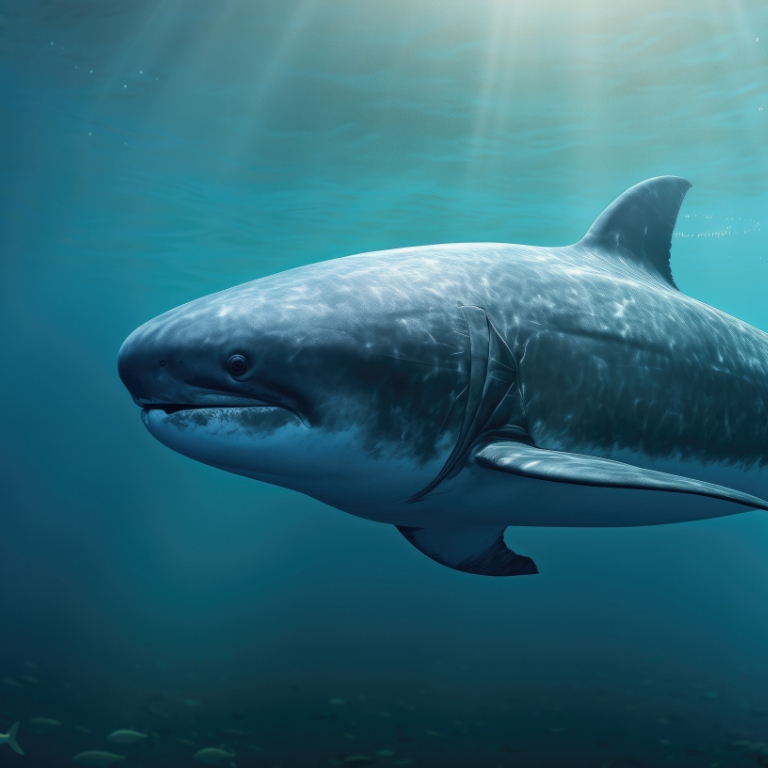
The vaquita (Phocoena sinus) is one of the most endangered marine mammals on the planet and a species endemic to the Upper Gulf of California, in Mexico. Its survival represents one of the country’s greatest environmental challenges, primarily due to illegal fishing using gillnets—nets employed to catch totoaba and other species.
The decline in its population has sparked international concern, prompting the involvement of government authorities, environmental organizations, scientists, fishers, and private companies, all working to prevent its extinction. It is currently estimated that only 7 to 10 vaquitas remain in the world.
In recent years—particularly between 2023 and 2026—various initiatives have been launched, focusing on surveillance, conservation, scientific research, and community engagement. These efforts seek to protect the vaquita’s habitat, reduce fishing activities that pose a risk, and promote sustainable economic alternatives for communities in the Upper Gulf of California.
Recent actions demonstrate greater coordination in protecting the vaquita’s habitat, combating illegal fishing, removing dangerous nets, and developing sustainable fishing alternatives. Furthermore, results from scientific monitoring in 2025 provide significant indications that individuals still exist and that new calves are being born.