Although Cancún is Mexico’s most famous tourist destination and the primary economic engine of Quintana Roo, many people are surprised to discover that it is not the state capital. That honor belongs to Chetumal, a city located in the southern part of the state, on the border with Belize.
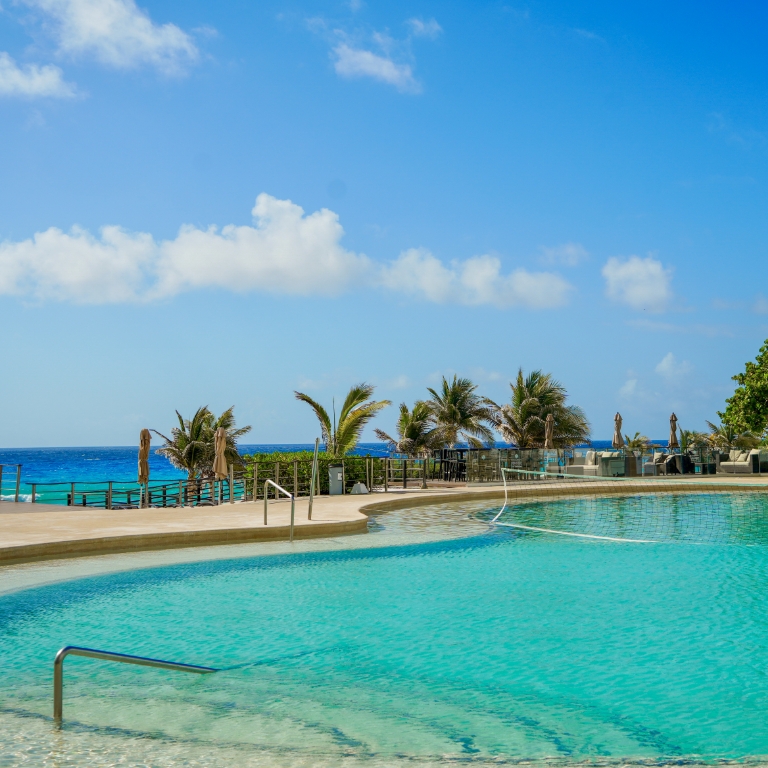
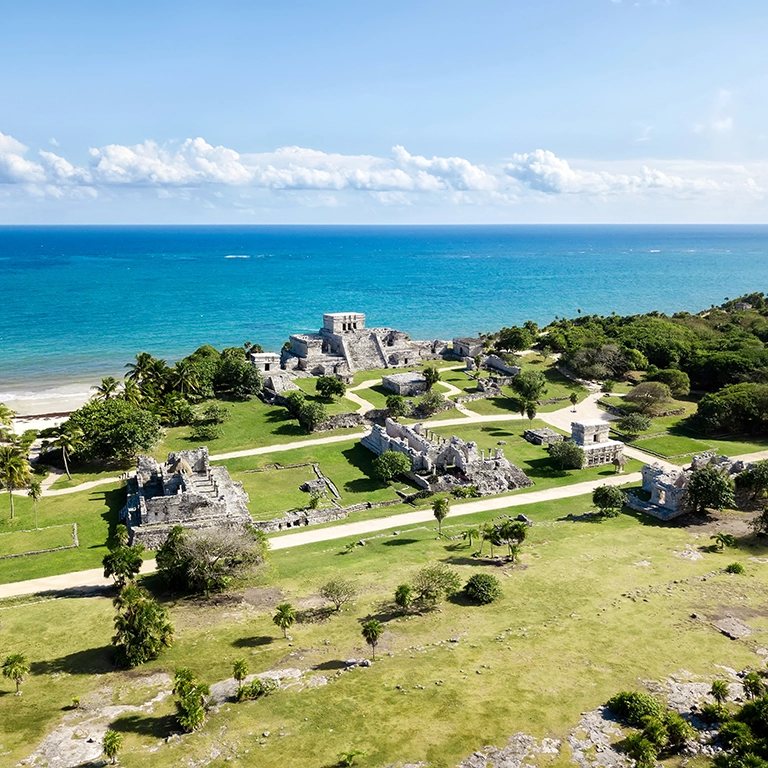
The confusion is understandable. Cancún welcomes millions of visitors each year, boasts one of Latin America’s most important international airports, and is world-renowned for its white-sand beaches, nightlife, and proximity to Mayan archaeological sites.
Chetumal, meanwhile, has a history closely linked to the consolidation of the Mexican territory. The city was founded in 1898 under the name Payo Obispo as part of a federal government strategy to strengthen Mexico’s presence along the border with what was then British Honduras (now Belize) following the definition of international boundaries. Furthermore, its founding aimed to help bring the Caste War under control—a protracted conflict that began in 1847, in which Mayan communities rose up against the deep social, economic, and political inequalities they faced. Establishing a permanent settlement helped reinforce national sovereignty and fostered the restoration of order in the region.
The town of Payo Obispo was officially renamed Chetumal in 1936. This change was part of a series of measures designed to instill a sense of national identity and revitalize the region following the reinstatement of the Federal Territory of Quintana Roo. Consequently, when Quintana Roo became a state of the Republic in 1974, the decision was made to retain Chetumal as the seat of the Executive, Legislative, and Judicial branches of government.
Today, Chetumal is notable for its peaceful waterfront promenade, the Museum of Mayan Culture, Chetumal Bay, and its proximity to the Bacalar Lagoon, famous for its spectacular shades of blue.
While Cancún represents the international face of tourism in Quintana Roo, Chetumal serves as the state’s administrative and historical heart. Together, both cities showcase the diversity of a region that offers far more than just paradise-like beaches.