
Mexico is a country where nature is not only observed… it is interpreted. Flowers, beyond their beauty, have been bearers of messages, symbols, and healing for centuries. From ancestral ceremonies to current traditions, each petal holds a story that connects the spiritual, the cultural, and the medicinal. Discover the hidden code in Mexican flowers and let yourself be guided by their language.
Marigold – The Spiritual Guide
With its vibrant orange color and unmistakable aroma, the marigold is much more than a flower: it is a bridge between the world of the living and the world of the dead. Its name comes from the Nahuatl word cempohualxóchitl, which means “flower of twenty petals,” and since pre-Hispanic times it has been considered a solar symbol.
During the Day of the Dead celebration, its petals are scattered, forming paths that guide the souls back home. Its intense color is believed to represent sunlight, while its fragrance acts as a spiritual compass, helping the deceased find their way to the offerings prepared in their honor. Thus, the marigold not only adorns but also accompanies and guides, becoming an essential element of this deeply Mexican tradition.
Dahlia – National Identity
Elegant, diverse, and profoundly Mexican, the dahlia was declared the national flower in 1963, in recognition of its origin and biological richness. The Mexica knew it as atlcocotlixóchitl, meaning “water tube,” referring to the hollow shape of its stems.
Its current name honors the Swedish botanist Anders Dahl and was given by Antonio José Cavanilles, who contributed to its classification in the 18th century when the flower was brought to Europe and began to gain popularity in botanical gardens—the reason for this remains unclear.
Native to the temperate forests of central and southern Mexico, the dahlia boasts 43 distinct species, reflecting the country’s diversity. Beyond its ornamental beauty, its roots are edible and have been used since ancient times, demonstrating that this flower is as useful as it is symbolic.
Poinsettia – The Gift of Winter
An undisputed symbol of the holiday season, the poinsettia has deep pre-Hispanic roots. The Mexica called it cuetlaxóchitl, meaning “leather flower,” and associated it with purity and the renewal of life, as well as linking it to the birth of the god Huitzilopochtli.
Although its red petals are commonly believed to be flowers, they are actually modified leaves called bracts, which surround the true flowers, small and inconspicuous in the center.
With the arrival of the colonists, this plant became part of Christmas celebrations, evolving into a symbol of love, hope, and celebration during the winter.
Heliconias – Tropical Exuberance
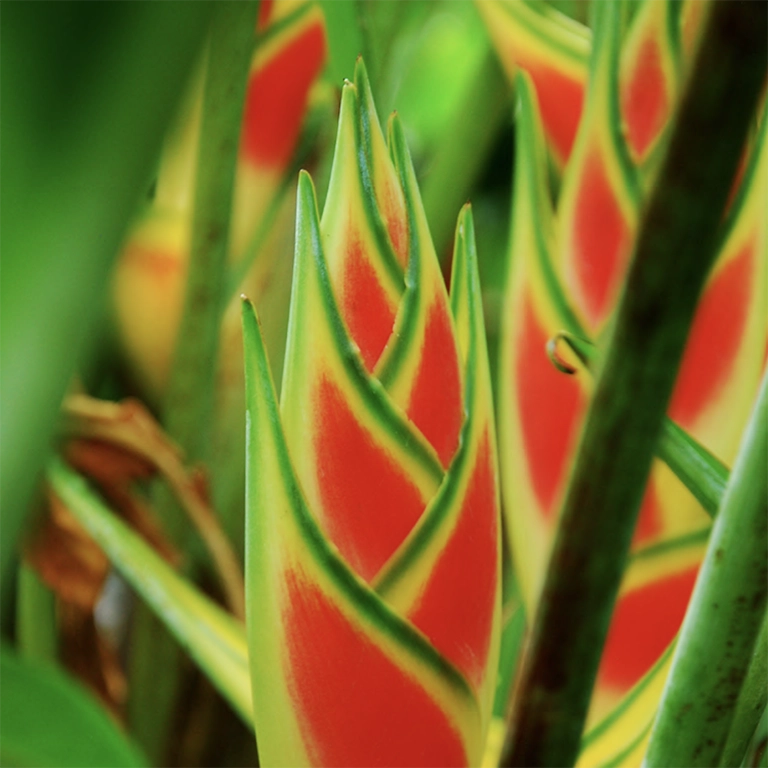
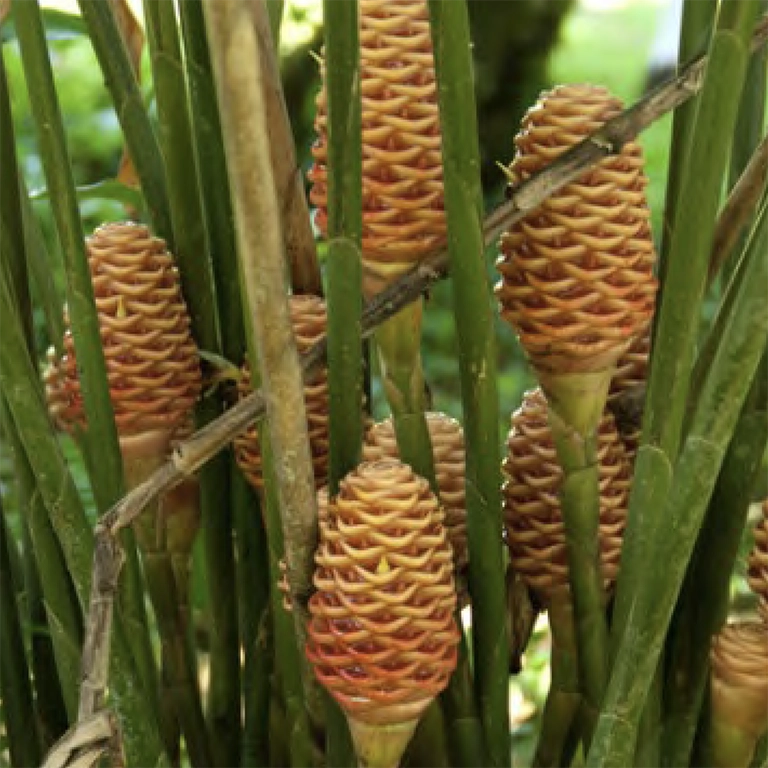
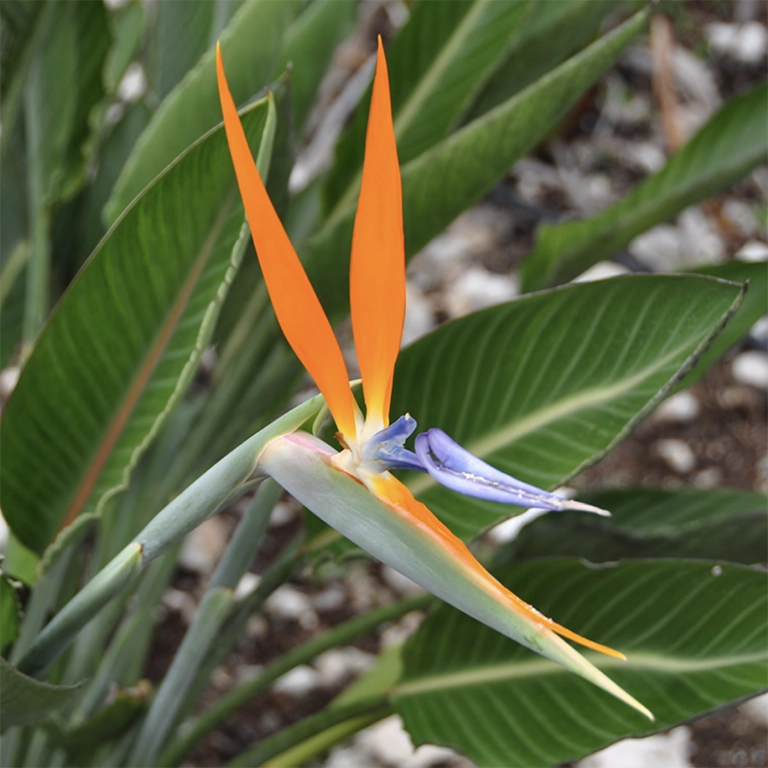
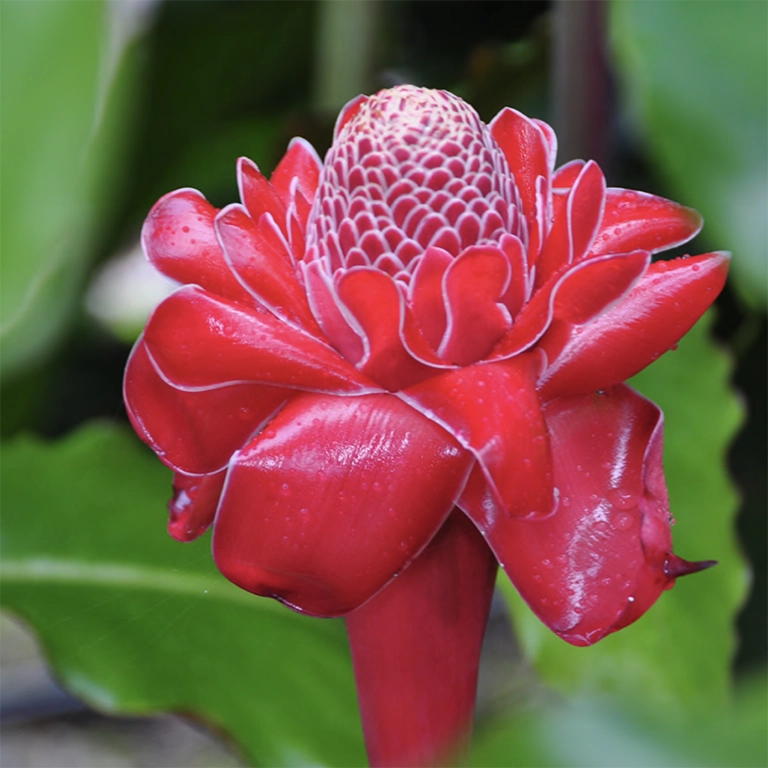
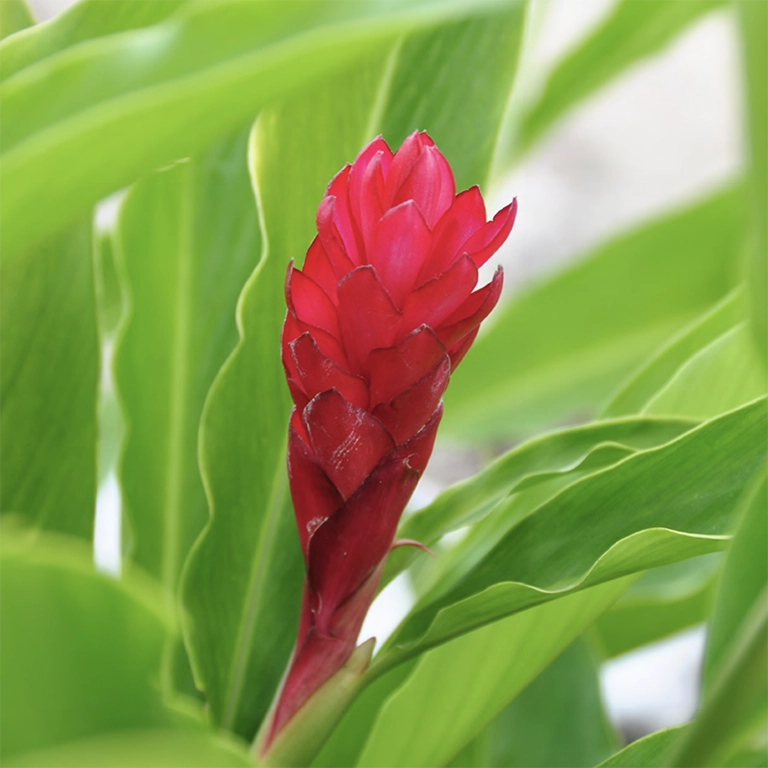
Heliconias, majestic tropical flowers native to the Yucatán Peninsula and Central America, are a living symbol of the lushness and color of the rainforest. With their sculptural forms and vibrant hues ranging from deep red to bright orange and yellow, these flowers not only beautify the natural landscape but also convey the warm and vibrant essence of the Caribbean.
Grown at Ethos, Farm in the Jungle, part of Sunset World, heliconias become the centerpiece of Sunset World hotel lobbies, welcoming members and guests with an authentic and natural touch. Ethos, Farm in the Jungle is a space dedicated to sustainability and connection with nature, supplying many of the products consumed at Sunset World hotels.
Ancestral Medicine
Mexican flowers not only communicate emotions and traditions; they have also been allies in traditional medicine for generations.
Marigold: used to relieve digestive discomfort, reduce fever, treat respiratory ailments, and soothe menstrual cramps.
Dahlia: rich in inulin, a natural prebiotic that promotes gut health and aids in the absorption of minerals such as calcium and magnesium.
Poinsettia: used to relieve respiratory problems and stimulate breast milk production. Its white latex is used topically to treat skin infections, while its warm leaves are used as poultices to reduce inflammation.
Heliconia: its roots and leaves are used to treat pain, inflammation, fever, and insect bites.
A Language That Blossoms in Every Tradition
In Mexico, flowers don’t just decorate: they speak, heal, and connect. Each of these species is a testament to ancestral knowledge that remains alive in customs, cuisine, medicine, and celebrations.
Deciphering the secret language of Mexican flowers is, in reality, discovering an essential part of the country’s soul: a continuous dialogue between nature and culture that flourishes generation after generation.