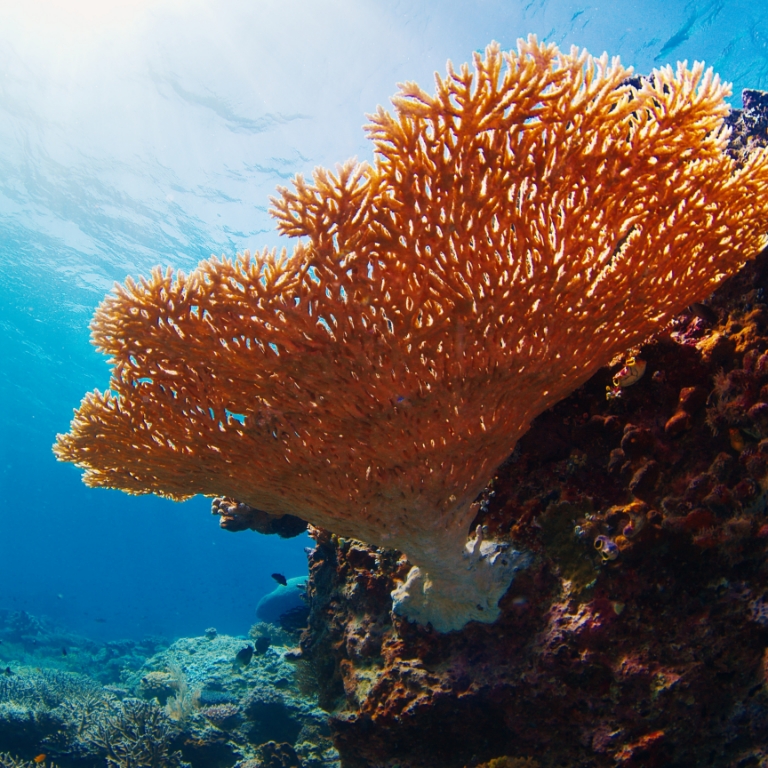
With an investment of one million pesos, the active restoration project at the Bajo Pepito underwater nursery, located between Cancún and Isla Mujeres, which is home to more than four thousand coral colonies, has achieved a 90% success rate in the reproduction of coral species.
Faced with the constant threats that reefs encounter, such as bleaching due to high temperatures, diseases like tissue detachment syndrome, hurricanes, overfishing, and high tourist traffic, researchers, divers, volunteers, and staff from the National Commission of Natural Protected Areas are joining forces in this vital restoration project, planting corals cultivated in an underwater nursery.
This active restoration process involves cultivating corals that have proven resilient for propagation. Therefore, at least 15 different species are cultivated in the nursery, including the crucial Montastraea cavernosa, Acropora palmata, and Acropora cervicornis, and even the pillar coral, a species no longer found on natural reefs due to habitat loss. The cultivated fragments are then planted to revitalize key coral reefs such as Chitales, Cuevones, Manchones, Sac Bajo, and La Cadenita.
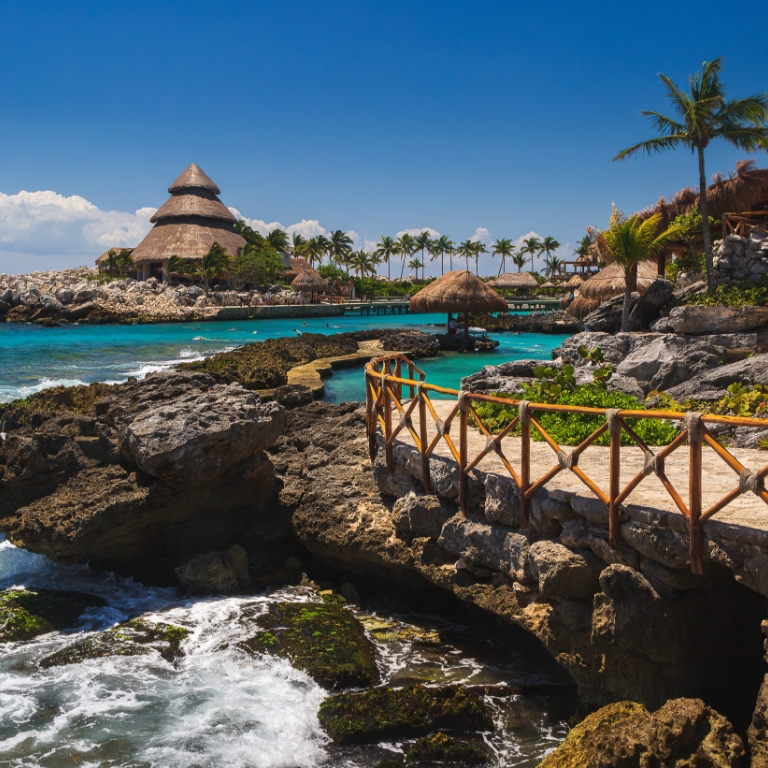
Bajo Pepito is a nautical landmark (a red buoy) marking the entrance to the channel to Isla Mujeres from Cancún. It is part of the Bahía Mujeres area, a marine protected area where anchoring is permitted with caution. This important navigational area connects the mainland to the island, which is famous for its crystal-clear waters and tourist activities.